
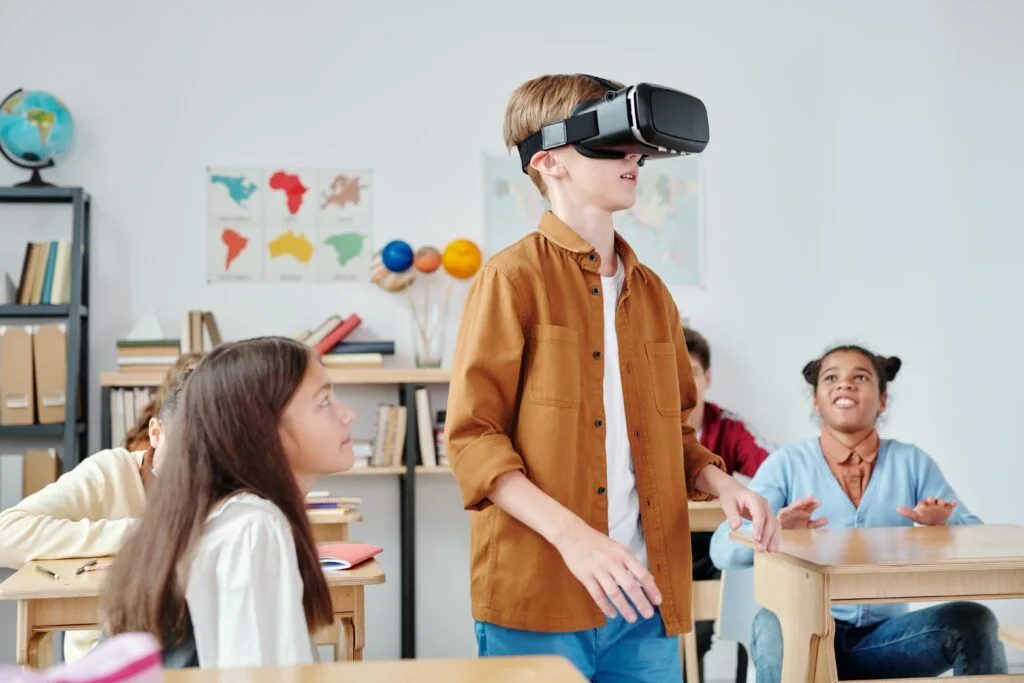
My kid came home from school last Tuesday talking about Mars. Not a video game. Not a movie. Actual Mars. The red rocks. The dust storms. The rovers.
His class took a virtual field trip for kids through NASA's online portal. They walked on the surface of another planet without leaving their classroom chairs. I asked him what he learned. He talked for twenty minutes.
The truth is simple. Virtual field trips for kids work. Not as a pandemic substitute anymore. As something better. Something permanent. Let me show you what actually works, what costs nothing, and how to avoid the boring ones that put kids to sleep.
What Is a Virtual Field Trip Anyway?
Let me clear something up first.
A virtual field trip for students is not just watching a YouTube video. That is passive. That is homework. That is not a field trip. A real virtual field trip for kids has three things:
Related Article: I Just Saw the Future: Google Android XR Smart Glasses (2026 Reveal)
-
A live guide or interactive element – Someone talks to the kids. Kids ask questions. Kids get answers in real time.
-
A destination they cannot visit physically – The surface of Mars. A dinosaur quarry. A coral reef in Australia. A museum on the other side of the world.
-
A connection to what they are already learning – Not random fun. Purposeful fun.
Marine biologists. Cultural practitioners. Park rangers. Live conversations. Real questions. No pre-recorded anything. That is the gold standard.
Why Virtual Field Trips Work Better Than You Think?

I asked a teacher friend why she uses science virtual field trips instead of just showing videos. Her answer surprised me.
"Videos are flat," she said. "A live ranger answers questions my students actually ask. A video can't do that." She is right.
Here is what makes free virtual field trips genuinely effective:
Access without logistics. No permission slips. No bus drivers. No counting heads every five minutes. A class in rural Kansas can visit the Louvre in Paris during a single class period.
Equity built into the design. Every student gets the same experience. No one gets left behind because their family couldn't afford the trip fee. The playing field levels out.
Repeatability. A teacher can run the same virtual field trip three years in a row. Each time, they get better at the discussion questions. Each time, the kids ask different things. In-person trips are one-and-done.
Destinations that are literally impossible. You cannot take 25 second graders to the bottom of the ocean. You cannot fly them to the International Space Station. But a virtual field trip for kids can do both in the same week.
The 8 Best Free Virtual Field Trips for 2026
I dug through the options. Here is what is actually free, actually good, and actually working for teachers right now.
You Must Also Like: How to Replace Google Cardboard Lenses: Easy DIY Fix?
1. Smithsonian National Museum of Natural History
Hall of Mammals. Hope Diamond exhibit. Ocean Hall. All free. No login required. Perfect for science units in 3rd grade and up. My nephew's class used this before a research project on animal adaptations.
Every kid picked a different exhibit. Every kid found something unique.
2. Google Arts & Culture Expeditions
Hundreds of curated tours. Versailles. The Great Barrier Reef. The Acropolis. The International Space Station. Many are produced in partnership with the actual museums. Free. Browser-based. No app needed.
The space station tour is mind-blowing for younger kids. They see how astronauts sleep. How they eat. Where they exercise. Real life. Not polished documentary footage.
3. NASA at Home
NASA's K-12 portal includes virtual visits to the Kennedy Space Center and the surface of Mars via the Curiosity and Perseverance rovers. The "Ask an Astronaut" sessions open periodically. You have to catch them live. But when you do, the questions kids ask are priceless.
4. Dinosaur National Monument Virtual Field Trip (NPS)
Here is a covered up jewel. The National Stop Benefit offers free virtual field trips to the Dinosaur National Landmark quarry. A live officer broadcasts from interior the Quarry Display Lobby. Behind them? Over 1,500 dinosaur bones from the Late Jurassic Period.
Important note: They as it were offer these in winter. November through Walk. The officers are active with in-person guests the rest of the year. Book at slightest 7 days in progress. Utilize Google Meet or Microsoft Groups. The officer joins your connect.
Cost? Zero. Nothing. Free.
5. Monterey Bay Aquarium Live Cams
Not a structured tour. But hear me out. Younger kids will watch a single jellyfish for a full minute without blinking. Pair this with a marine biology unit for 2nd through 5th grade. Have students count how many species they spot. Turn it into a data collection exercise.
6. Getty Museum Virtual Art Explorations
A museum educator leads the session. Students look closely at artworks. They do drawing exercises. They answer questions. The program runs through June 2, 2026. The sessions are inquiry-based.
That means the educator asks "what do you notice?" not "here is what you should see." Kids engage differently when they are not being lectured at.
7. National Park Service WebRangers
The NPS WebRangers program offers interactive virtual visits to US National Parks. Yellowstone. Yosemite. The Everglades. Each visit comes with curriculum-aligned activities. Strong for environmental science and US geography.
The activities are self-paced. Students earn digital badges. My friend's daughter finished the Yellowstone unit and demanded a real trip the next summer. The virtual visit created a real desire to see the place in person.
8. Live Partner Classroom Exchange
This one gets overlooked. The most powerful virtual field trip for students is often just a live video call with another classroom in a different country. They compare school days. Lunches.
That authenticity cannot be produced. It cannot be scripted. It just happens. No VR headset required. Just a webcam and curiosity.
Are VR Field Trips Affordable? Let Me Break the Costs Down
This question comes up constantly. Are VR field trips affordable for regular schools? For parents? For homeschool co-ops?
The answer depends on what you mean by "VR field trip."
True VR with headsets is expensive. VictoryXR sells a complete classroom VR lab. 25 Meta Quest headsets. Preloaded software. Charging cart. Training. The total? $47,000.
That is not affordable for most schools. That is a grant-funded special project.
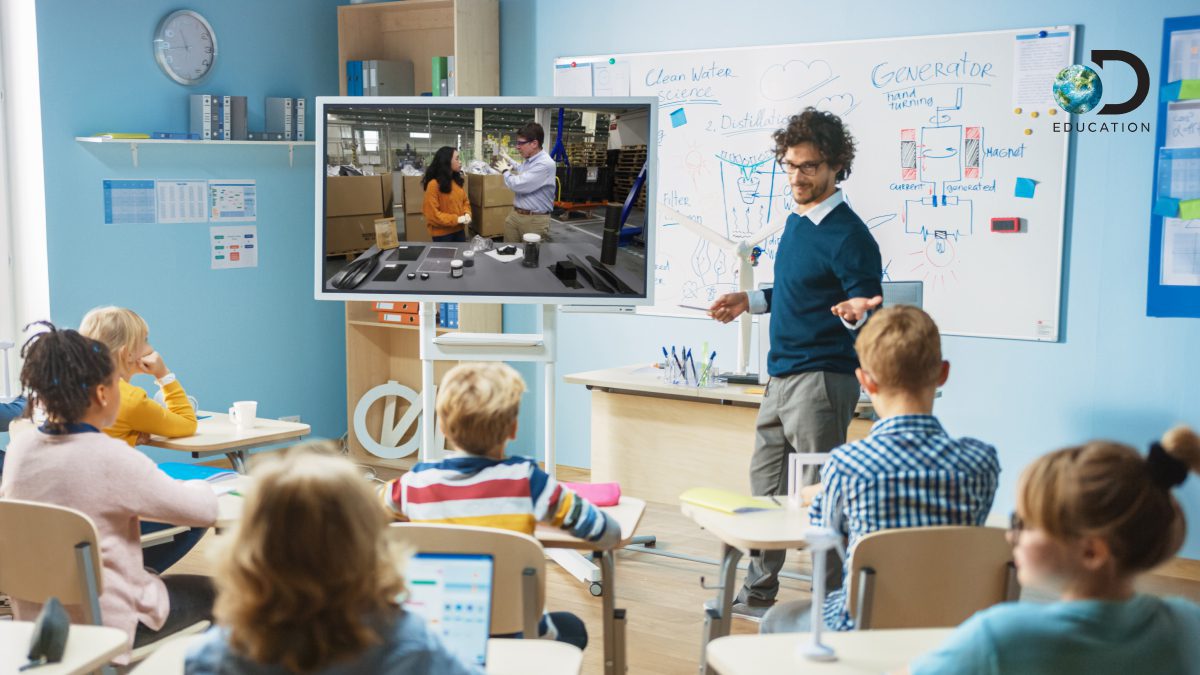
But here is the thing. You do not need VR headsets for science virtual field trips or history virtual field trips. A laptop or tablet works fine. A smartboard in front of the class works fine. The learning happens in the interaction, not in the headset.
Compare that to a real bus. A real driver. Real admission fees. Real permission slips. Real headaches. Virtual is not just affordable. It is a fraction of the cost.
What Kids Actually Love (From Real Testing Data)?
A recent study of XR projects in museums and science centers ranked the most popular virtual field trips for kids by category. The results surprised me.
Number one: Space exploration. Every time. VR spacewalks. Mars rover driving. Space station life simulation. Kids of all ages love space. The research says it satisfies the "become an astronaut" dream that most children share.
Number two: Dinosaurs and ancient creatures. For kids aged 6 to 12, dinosaurs are unbeatable. VR trips that let them "see" a T-Rex up close generate immediate engagement. Parents pay for this. Kids remember it.
Number three: Disaster and adventure scenarios. Earthquake VR simulations. Fire evacuation practice. Deep sea dives. The combination of excitement plus safety creates lasting memories.
Number four: Career role-play. Virtual surgery (becoming a doctor). Mars rover driving (becoming an astronaut). Fossil excavation (becoming a paleontologist). Kids love trying on future selves.
The research is clear. Passive watching fails. Active participation wins.
When Virtual Field Trips Fail (And How to Avoid It)?
I have sat through bad ones. Here is what kills a virtual field trip for kids:
Pre-recorded video with no interaction. Kids check out immediately. If the guide cannot hear them and cannot answer them, it is not a field trip. It is a video.
Technical glitches that never got tested. Muted microphones. Frozen screens. Links that do not work. Test everything the day before. The day of is too late.
A high school lecture will confuse 2nd graders. The good providers ask your grade level beforehand. The National Park Service explicitly trains rangers to adapt for each age group.
No follow-up activity. The trip ends. The kids move on. Nothing sticks. A five-minute discussion after the trip doubles retention. I have seen it happen.
The Final Thoughts
Virtual field trips for kids are not a pandemic leftover. They are a permanent upgrade. They cost less than real trips. They reach places real trips cannot. They include every student equally.
If you have a small budget, pay for a live session from a botanic garden or a science museum. $150 for 90 students is a steal for the engagement you get.
Do not buy VR headsets unless you have grant money burning a hole in your pocket. A laptop and a screen work fine. That is not a hack. That is just good teaching.
Now go book a ranger before the winter slots fill up.