
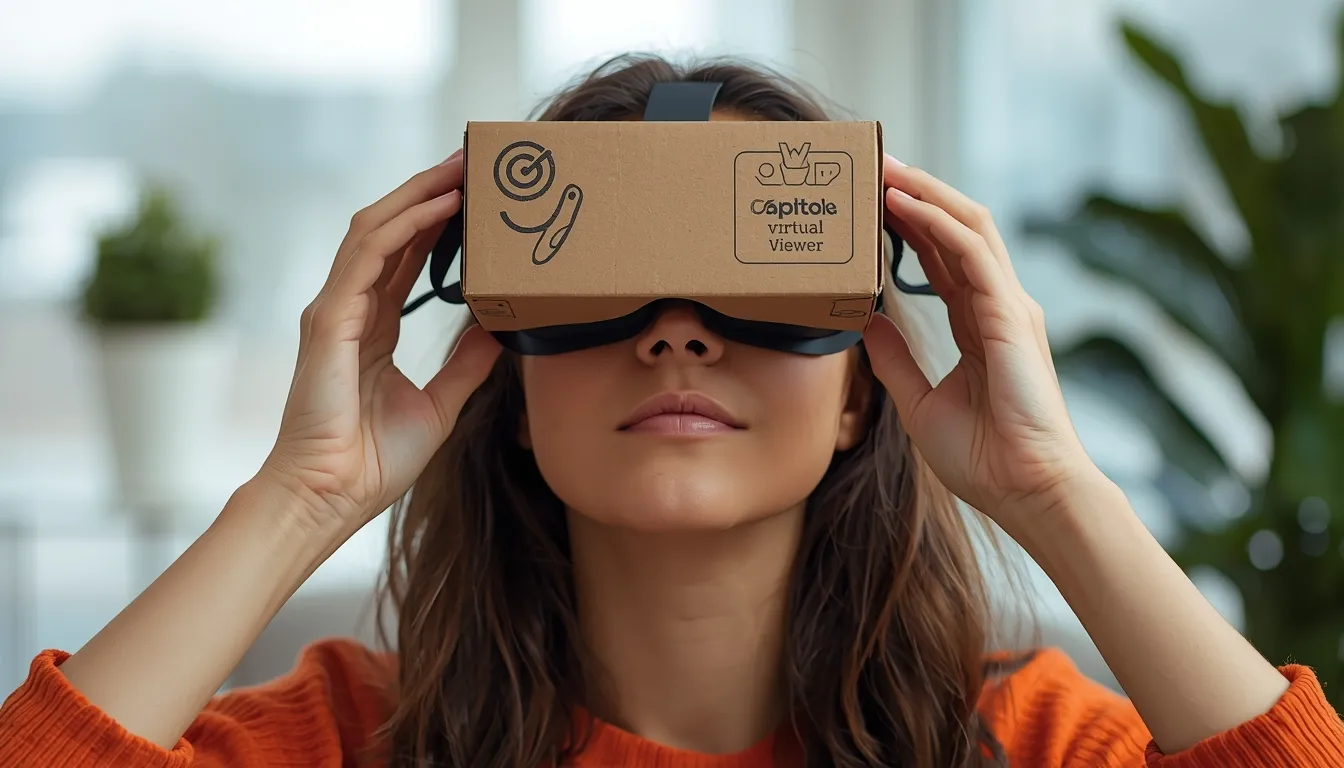
Remember when virtual reality seemed like a dream for those with expensive setups? In 2014, Google amazed everyone with a cool invention: a foldable cardboard piece that turned your smartphone into a VR headset.
I still keep in mind unboxing my Google Cardboard virtual reality viewer to begin with. It felt nearly as straightforward to work. Yet, the minute I slid my phone in, put it to my face, and found myself coasting in a 3D world, I was snared.
It wasn’t high-definition, and yes, I might see the pixels, but the enchantment was undeniable. Fast forward to nowadays, and cheap plastic headsets overflow the advertising.
But the unique concept of the Google Cardboard VR headset still holds a uncommon place. Be that as it may, exploring this space nowadays is dubious. You aren't here for buildup; you need viable direction.
You need to know if it works, what apps to use, and how to maintain a strategic distance from squandering cash on a dud. This direct cuts through the commotion. I’ve gone through hours testing these viewers, checking QR codes, and investigating apps so you don’t have to.
What Exactly is a Google Cardboard Virtual Reality Viewer?
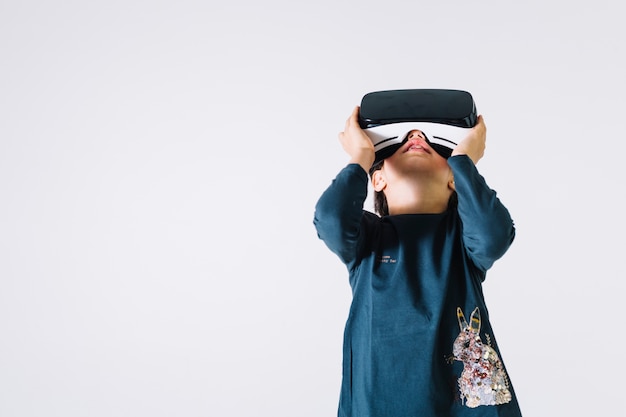
Before we jump into buying exhortation, let’s clarify what we are talking about. A Google Cardboard virtual reality viewer is basically a focal point holder. It employs two basic biconvex lenses to center your smartphone’s screen, making a stereoscopic 3D effect.
Read Also: Can You Play VR Games With Google Cardboard Oculus Quest?
The original plan was made of cardboard. Now, "Cardboard" refers to any headset that follows this design. These headsets are often made of plastic, foam, or wood. It is not a standalone gadget. It depends completely on your phone’s handling, control, and show. This is both its greatest quality and its most critical limitation.
Finding the Right Google Cardboard Virtual Reality Viewer APK
If you look for a "Where can you still download the Google Cardboard APK in 2026?" right presently, you might run into disarray. A few years ago, Google officially ceased the original "Google Cardboard" app.
This has left many users wondering if the platform is dead. Here is the truth based on my recent testing: The platform is not dead, but it has evolved. You cannot download the official Google Cardboard app from the Play Store any longer.
In any case, the innovation is heated into many other apps. If you're looking for a specific launcher or setup tool, search for reliable APKs from trusted sources. Even better, switch to the apps that have replaced it.
My Recommendation: Do not chase the old APK. Yes, download "Cardboard" by Slam Reality or "VR Player" from the Play Store. These are effectively kept up and bolster the QR code calibration that is basic for a clear picture.
For a nostalgic experience, try APK Mirror. Keep in mind, use it at your own risk, and ensure your antivirus is active. Older versions are available there, but they lack the latest updates.
Why You Need the Right QR Code for Google Cardboard?
Here is a botch I made when I began: I bought a cheap headset, put my phone in, and pondered why everything looked hazy and gave me a migraine. The issue wasn't my eyes; it was the lenses.
Every Google Cardboard VR headset is marginally distinctive. The distance between the focal points (IPD) and the sort of focal points utilized changes how the picture is distorted.
This is where the QR code for Google Cardboard comes in. It’s a small, scannable code. You usually find it in the instruction manual or inside the headset. This code tells your VR app exactly which focal points you're using.
When you use a Cardboard-compatible app, the software changes the picture. It makes the distortion fit your specific viewer. It fixes the annoying blue and red borders around white content. Plus, it ensures the 3D effect adjusts to your eyes.
Practical Tip: If you buy a second-hand watch or lose the QR code, look online for "Your Headset Model QR code." Many communities and blogs have databases of these codes. If you can't find it, use the non-exclusive calibration tool in apps like "VR Player." Adjust the settings until the crosshairs line up perfectly.
Google Cardboard DIY: Is Building Your Own Worth It?
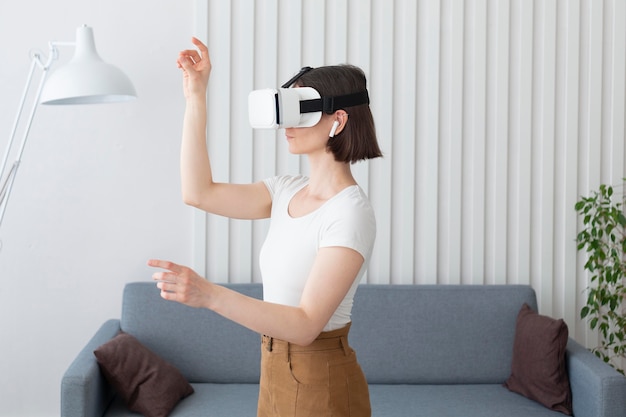
The magnificence of the unique venture was the Google Cardboard do it yourself perspective. You can download the PDF plans. Then, get your own cardboard, lenses, magnets (for the button), and Velcro.
You’ll be able to build a working VR headset for a few cents. I attempted this a long time back. It was a fun Sunday evening activity, but truly?
The results were mixed. In this post, I will share how to buy Google Cardboard. I’ll also tell you the best platform to use it on and if it’s free.
-
The Experience: Watching a VR video in a headset you built yourself brings great satisfaction.
-
The Reality: My homemade version had light leaks all over. The lenses I bought online didn’t match well, and the magnet button often didn’t work with my phone. It was a proof of concept, not a comfortable viewing device.
My Advice: Unless you are a teacher looking for a classroom action or a in-your-face specialist, skip the full DIY route. You can get a pre-made cardboard viewer for under $15.
It will work much better than anything you can make at home with scissors and a box cutter. The materials are cheap. Laser-cut cardboard is very precise. It’s hard to copy that accuracy by hand.
How to Watch VR Videos on Google Cardboard? A Step-by-Step Guide
So, you have your viewer. You have an app. Presently, you need to know how to watch VR videos on Google Cardboard. It is less complex than you think.
-
Choose Your Source: You need VR content.
This comes in two flavors:
-
Side-by-Side (SBS) videos show two slightly different images next to each other.
-
360-degree videos let you look around a sphere.
-
-
Find an app:
-
For 360 YouTube: Open the YouTube app, search for "360 video," and play any video. Tap the Cardboard icon (it looks like a little VR headset) in the bottom corner of the video player. Then, slide your phone into your viewer.
-
For Local Files: If you have downloaded SBS movies, use an app like "VR Media Player" or "Skybox VR Player." These apps act as a video library and automatically detect SBS content.
-
-
The Golden Rule of Focus: Before you start an action movie, do the focus test. Look at a static menu screen. Close one eye. If the image is double, shift the phone or adjust the lens distance if your viewer has that feature. The goal is a single, clear image.
Watching a roller coaster POV video in Cardboard still makes my stomach drop. Indeed, with lower determination, the inundation is genuine. In any case, do not expect observing a two-hour motion picture. The phone gets hot, and the headset can get awkward.
Honest Pros and Cons of Using a Cardboard Viewer
To give you an honest, experience-based verdict, here is the breakdown of the good and the bad.
The Pros (Why You Might Want One)
-
Price: This is the biggest win. You can enter VR for the price of a pizza. It is an incredible gateway drug for the technology.
-
Simplicity: There is no battery to charge, no wires to trip over, and no Bluetooth to pair. You slide your phone in, and you are in VR.
-
Portability: The foldable cardboard models are incredibly thin. You can easily slip one into a laptop bag or backpack.
-
Educational Value: For schools, it is a no-brainer. Students can go on virtual field trips using phones they already have.
The Cons (The Reality Check)
-
Comfort (or Lack Thereof): Let’s face it, holding cardboard to your face isn’t comfortable. Even plastic versions with foam padding get sweaty and heavy after about 15 minutes.
-
Limited Functionality: You have no controller (unless you buy a separate Bluetooth one). The original magnetic slider button hasn't worked well since Android 4.4. You are mostly limited to looking around, not interacting.
-
Phone Overheating: VR rendering is intensive. Watching a 360-degree video or playing a simple game can heat up your phone fast. This drains the battery and may slow down performance.
-
The "Screen Door" Effect: You see individual pixels. This happens when you magnify your phone's screen. It looks like you are viewing the world through a screen door. Newer phones with high PPI (pixels per inch), like modern OLED screens, help, but it is still there.
Clear Buying Guidance: Avoiding the Junk
You want practical advice to avoid a poor buy. Here is how to spot a winner versus a loser.
You Must Also Like: Minecraft Google Cardboard APK: A Complete Setup Guide
The Bad Buy (Avoid These):
-
The "No-Name" Plastic Box: If the product listing doesn't mention lens quality or compatibility with phones over 5 inches, beware. Many low-cost plastic viewers have lenses that cause distortion or are uncomfortable.
-
The "All-in-One" Gimmick: Avoid headsets with built-in speakers. Don't trust those with bad touchpad controllers. They rarely work well and add bulk.
-
The One-Size-Fits-All Clam: If it lacks adjustable lens distance, it will be blurry. Also, it needs to fit larger phones.
The Good Buy (Look For These):
-
Adjustable Focus: This is non-negotiable. If you wear glasses or have a slight difference in vision in each eye, you need viewers. They should allow you to adjust each lens separately.
-
Phone Size Compatibility: Ensure it fits your phone. If you have a "Plus" or "Pro Max" model with a case, you need a viewer with a wide clamp.
-
Ventilation: Look for slots or holes where your phone's speaker and charging port are. This prevents overheating and lets you use headphones.
My Top Recommendations Based on Testing:
-
Best for Durability (The Plastic Choice): The Bnox (or similar universal plastic viewers with focus change). They cost around $20-$30, have soft foam padding, and dials to adjust the lenses. They aren't "cardboard" in material, but they follow the Google Cardboard standard. Best for people who want to use VR for more than 10 minutes at a time.
-
Best for Authenticity (The Cardboard Choice): The Unofficial Cardboard V2 clones you find on Amazon. They are cheap ($10-$15), foldable, and lightweight. Best for someone who is curious and wants to try VR once or twice without commitment.
-
Not For: Hardcore gamers or anyone wanting to use it daily. For that, you need a Quest or a proper PC VR headset. Cardboard is for casual exploration and video watching.
Safety Considerations: Protect Your Eyes and Your Space
Trustworthiness means telling you the risks too.
-
Motion Sickness: This is real. If you feel nauseous, take the headset off immediately. Your brain gets confused when your eyes see movement, but your inner ear feels none. Start with static 360 photos, then move to slow videos.
-
Physical Safety: This sounds obvious, but do not walk around with this on your face. I nearly walked into a wall reaching for a "virtual object." Sit in a chair.
-
Eye Strain: If the image is blurry, do not keep watching. Adjust the focus or the phone's position. Straining to see a blurry image can lead to headaches. Take a 10-minute break for every 30 minutes of use.
-
Content Awareness: The beauty of Cardboard is that you can view anything. The danger is that you can view anything. Be mindful of what you are loading, especially if kids are using it. The immersion makes scary content much more intense.
Final Verdict
Is the Google Cardboard VR Viewer Dead? No. It has fairly changed jobs. It is no longer the future of gaming, but it is the idealized ambassador for VR. It is the cheapest way to reply to the address, "What is virtual reality like?"
For teachers, it is a instrument. For travelers, it is a convenient cinema on a plane. For the inquisitive, it is a $15 ticket to another world. Fair manage your desires. It is pixelated, it is basic, and your arms might get tired holding it up. But for a piece of cardboard, it’s still beautifully magical.
Bounce in, grab a viewer with adjustable lenses, and download a cool Cardboard-compatible app. Then, check the QR code and get ready for a wonderful surprise!