
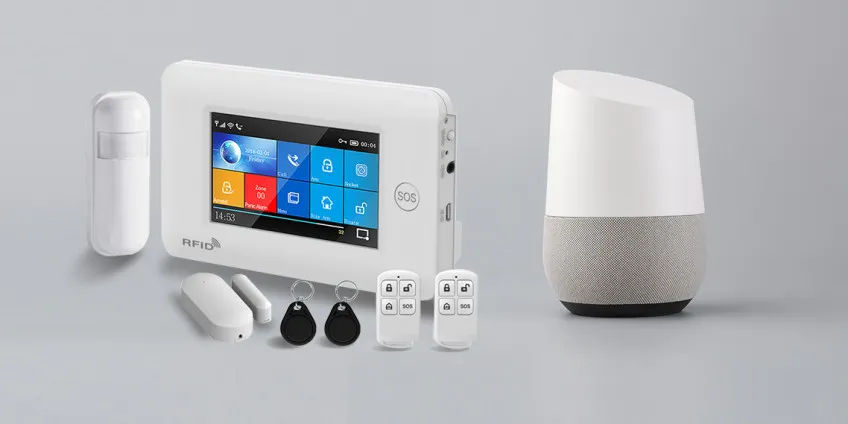
If you’re considering approximately introducing a Google Nest Security System, you likely need something basic, dependable, and completely consistent with Google Home.
I’ve tried diverse savvy security setups over the a long time, counting the ADT Google Settle security framework and a few open air security cameras consistent with Google Home. A few setups were smooth. Others caused every day frustration.
This direct is built from real-world involvement. No buildup. Fair what works, what doesn’t, and how to dodge squandering cash.
Which Security Systems Work with Google Home?
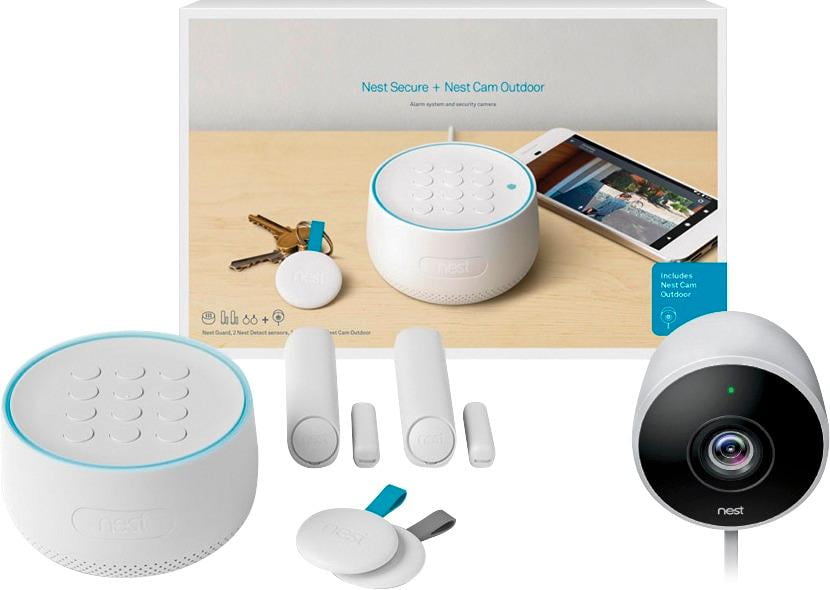
If your main question is: Which security systems work with Google Home? — here’s the honest answer. The most reliable options are:
-
Google Nest devices (Nest Cam, Nest Doorbell, Nest Hub)
-
ADT Google Nest security system
-
Select third-party cameras like:
-
Arlo
-
Eufy
-
Ring
-
Blink
-
But compatibility shifts in depth.
Read Also: How to Fix Google Nest Timers Not Going off After 2026 Update?
Some cameras permit voice commands but constrain you into their possess app for recordings. Others coordinated specifically interior the Google Home app.
If you need the smoothest encounter, remaining interior the Nest ecosystem is still the most secure choice.
What Makes the Google Nest Security System Different?
The Google Settle Security Framework is measured. It is not one box. You construct it. Typical setup includes:
-
Nest Cam (battery or wired)
-
Nest Doorbell
-
Nest Hub or Hub Max
-
Optional Nest Aware subscription
-
Optional ADT professional monitoring
I’ve utilized Nest Cam (battery) outside for over a year. Setup took under 15 minutes per camera. The Google Home app strolled through each step clearly. The encounter felt beginner-friendly.
What Works Well?
-
Clean app interface
-
Accurate person detection
-
Reliable night vision
-
Fast live stream loading
-
Voice commands like “Show front door”
The smart alerts are what stand out. The system can tell the difference between a car, a person, and an animal. That reduces false alarms.
What Needs Improvement?
-
Subscription required for extended video history
-
Battery units need charging every 1–3 months
-
No built-in professional monitoring unless paired with ADT
If you want a simple DIY Google Home security system, Nest cameras alone are enough for many households.
If you want full alarm coverage, keep reading.
ADT Google Nest Security System: Who Is It Really For?
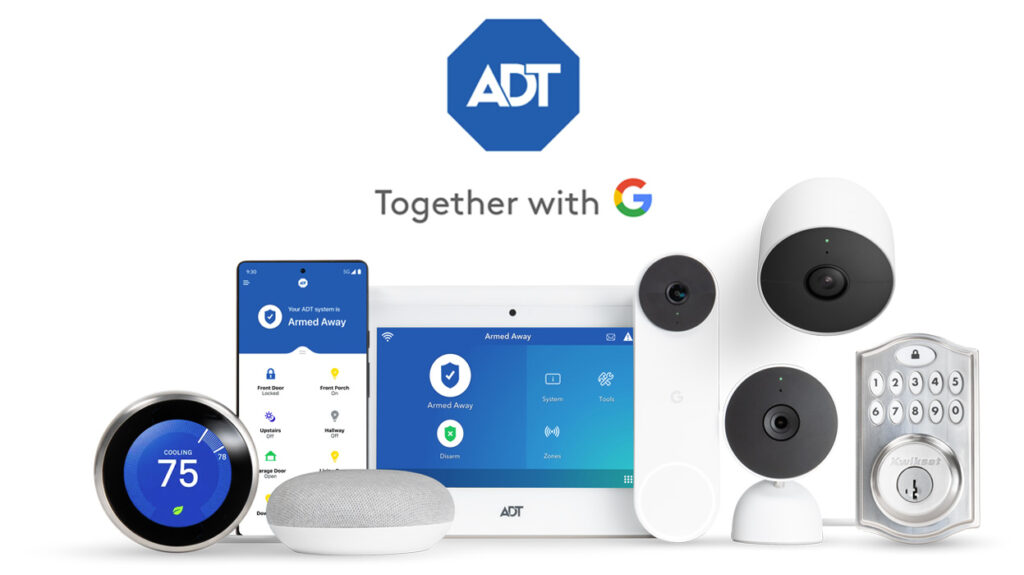
The ADT Google Nest security system combines Nest cameras with professional alarm monitoring. This setup includes:
-
Door/window sensors
-
Motion detectors
-
Base station
-
Professional monitoring
-
Emergency response integration
I helped install this system for a homeowner in a suburban area. Setup was more structured than DIY Nest cameras. It required account setup, equipment pairing, and alarm testing. Once running, it felt more complete.
You Must Also Like: How to Install Google Nest Thermostat 3rd Gen Stainless Steel?
If someone disables your camera, ADT still gets the alarm signal. That adds a layer of real protection.
Pros:
-
24/7 professional monitoring
-
Door and window protection
-
Emergency dispatch integration
-
Works within the Google Home ecosystem
Cons:
-
Monthly fee
-
Contract commitment
-
Less flexible than fully DIY systems
Best for:
-
Families
-
Detached homes
-
Frequent travelers
Not ideal for:
-
Renters
-
Budget-focused users
-
People who dislike contracts
From experience, monitored systems bring peace of mind. But not everyone needs them.
Outdoor Security Cameras Compatible with Google Home
Many users want flexibility beyond Nest. Here’s how popular options compare in real-world use.
Arlo
Strong video quality. Reliable motion detection. Works with Google Assistant for voice viewing.
Downside: You manage recordings in the Arlo app. Integration is not fully native inside Google Home. Good for users who want high-quality cameras but don’t mind using multiple apps.
Eufy
Eufy cameras focus on local storage. No required monthly subscription. That’s a big plus if you dislike ongoing fees. However, smart detection can be slightly less refined than Nest in my experience.
Still solid, just not as polished. Great for budget-conscious buyers.
Ring
Ring works better with Alexa than Google Home. Google integration exists but feels limited. If you’re committed to Google Assistant, Ring is not the best long-term choice.
Blink
Blink is affordable and simple. Integration is basic. Works for live viewing but lacks deep smart controls. Good for simple setups, not advanced smart automation.
Step-by-Step: How to Set Up a Google Home Security System?
Let’s break this down clearly.
Step 1: Evaluate Your Home Layout
Walk around your property. Identify:
-
Front entry points
-
Back doors
-
Garage access
-
Driveway visibility
-
Package delivery spots
Most homes need:
-
One front door camera
-
One backyard camera
-
Optional driveway coverage
Avoid overbuying at first. Start small.
Step 2: Strengthen Your WiFi First
This is where most setups fail.
Security cameras rely on stable WiFi. Test signal strength outside before mounting. If WiFi is weak:
-
Add a mesh WiFi system
-
Install an extender
-
Reposition your router
Weak WiFi causes delayed alerts and buffering.
Step 3: Install the Google Home App
Download the Google Home app.
Log into your Google account.
Set your home address correctly. This matters for emergency services if you use monitoring.
Step 4: Add Devices One by One
Scan the QR code on each device.
Follow on-screen setup instructions.
Mount temporarily before final installation. Test the viewing angle first.
I once mounted a camera too high. The result? Great roof footage. No face detail.
Mount cameras 7–9 feet high for best identification.
Step 5: Customize Notification Settings
This step prevents alert fatigue. Turn off generic motion alerts. Enable:
-
Person detection
-
Package alerts
-
Activity zones
Smart zones make a big difference. Without them, you will ignore notifications.
Step 6: Test Voice Commands
If you use Nest Hub or Google speakers, test commands immediately. Examples:
-
“Show driveway.”
-
“Is someone at the front door?”
This confirms full integration.
DIY vs Professional Monitoring: What Should You Choose?
Here’s the simple breakdown.
DIY (Cameras Only)
Best for:
-
Apartments
-
Smaller homes
-
Low-risk neighborhoods
-
Budget buyers
Limitations:
-
No automatic emergency dispatch
-
Cameras can be disabled
Professional Monitoring (ADT Integration)
Best for:
-
Families
-
Large homes
-
Travel-heavy lifestyles
Limitations:
-
Monthly cost
-
Contract terms
If your goal is visible deterrence and awareness, DIY works. If your goal is full alarm response, monitoring adds real protection.
How Much Should You Budget?
Here’s a realistic estimate. DIY Nest setup:
-
2–3 cameras
-
Doorbell
-
Optional subscription
Expect several hundred dollars upfront.
Monitored setup:
-
Equipment package
-
Installation
-
Monthly monitoring fee
Costs increase significantly over time.
Do not forget:
-
Mounting hardware
-
Possible WiFi upgrades
-
Cloud storage fees
Always calculate total 2-year cost, not just purchase price.
Common Buying Mistakes to Avoid
Buying Too Many Cameras at Once
Start with one or two.
Test for 30 days.
Expand only if needed.
Ignoring Privacy Settings
Review data storage settings.
Understand where footage is stored.
Security should not compromise privacy awareness.
Choosing Based Only on Price
Cheap cameras often mean:
-
Slower notifications
-
Poor night vision
-
App crashes
Security is not the place to gamble on unknown brands.
Not Considering Power Source
Battery cameras require maintenance.
Wired cameras require installation effort.
Choose based on your willingness to maintain.
Who Should Choose the Google Nest Security System?
Choose it if:
-
You already use Google Home devices
-
You want easy setup
-
You value smart detection
-
You prefer clean, simple apps
Avoid it if:
-
You want fully local storage only
-
You dislike subscriptions
-
Your WiFi is unstable
My Final Practical Advice
Start small.
Install one Nest camera and test for 30 days. If the experience feels smooth, expand. If you want stronger protection later, add ADT monitoring. Security systems should reduce stress, not create it.
A well-configured Google Home security system feels invisible until you need it. That’s the goal. Choose equipment that fits your lifestyle, not marketing claims. Configure notifications properly. Maintain your WiFi.
Done right, the Google Nest Security System provides reliable everyday protection without overwhelming you.
And that balance matters more than any feature list.