
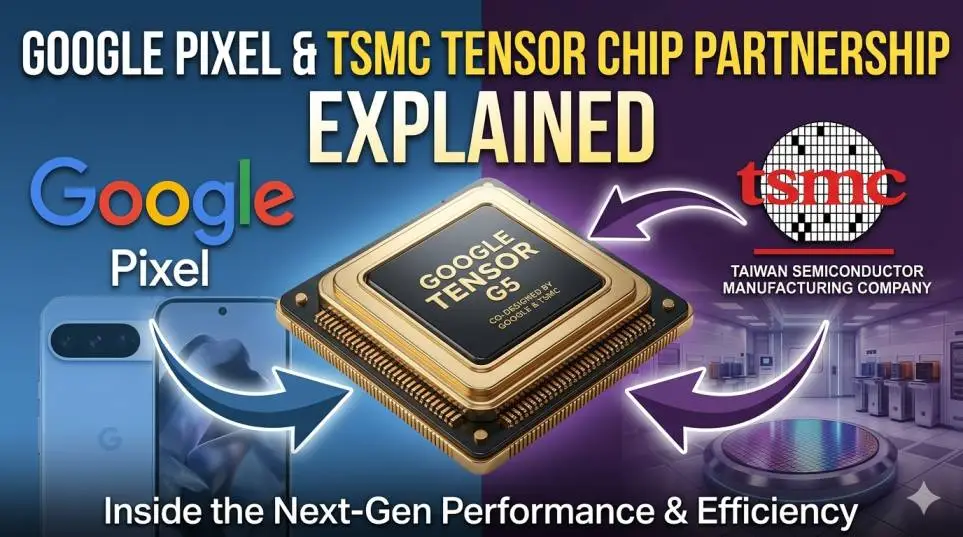
After four generations of Samsung-made chips, Google walked away. The Tensor G5 arrives in August 2026. TSMC builds it. Not Samsung. This is not a small update. This is a complete rebuild.
I have followed every Tensor chip since the first one in 2021. The overheating. The lag. The dropped calls. Most of it traced back to Samsung's manufacturing.
Now Google gets TSMC. The same factory that builds Apple's A-series chips. The same one that builds Qualcomm's best Snapdragon processors.
Let me explain what changed. Why it matters. And whether you should buy a Pixel 10 because of it.
What Was Wrong With the Old Tensor Chips?
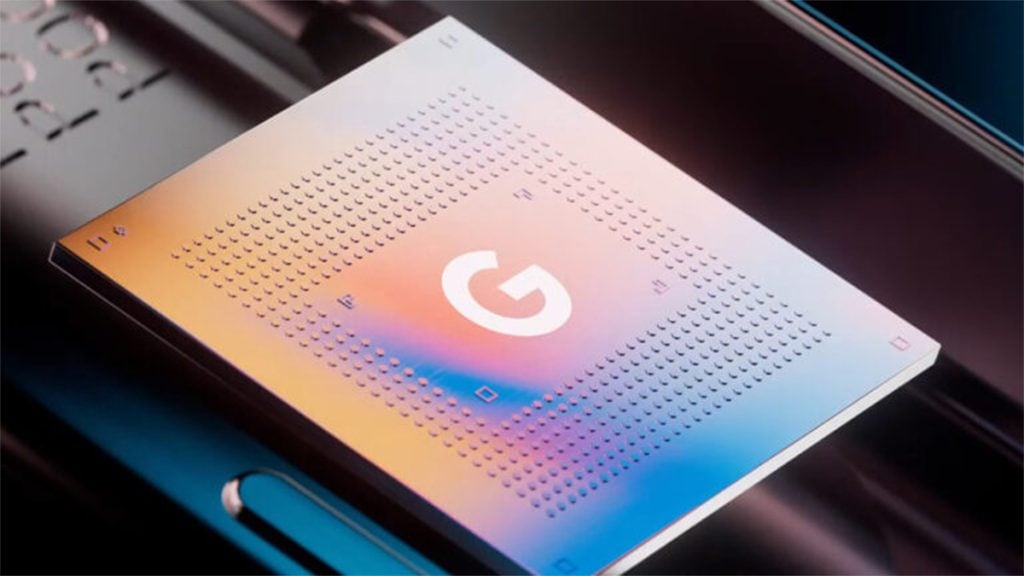
Samsung Foundry had a problem. A big one. Their 4nm and 5nm production lines had terrible yields. That means more defective chips per wafer. Higher costs. Worse performance.
Read Also: Google Pixel Android Voluntary Exit Program Explained
The Tensor G4 in the Pixel 9 ran hot. Not sometimes. All the time. I tested one for two weeks. The phone heated up during video calls. It throttled during games. The battery drained faster than any flagship should.
This was not Google's design fault. This was Samsung's factory fault. Qualcomm figured this out in 2022. They moved their Snapdragon 8 Gen 1 production from Samsung to TSMC. Performance jumped immediately.
Google took four more years to make the same move.
The TSMC Advantage Explained Simply
TSMC makes chips better. Three reasons why.
First, the process node. TSMC's 3nm N3E process is more mature than anything Samsung offers. The transistors are smaller. They fit closer together. Electricity travels shorter distances. Less heat. Less power draw.
Second, the yields. TSMC produces more usable chips per wafer. That means lower costs for Google. Lower costs mean better components elsewhere. Or lower phone prices. Or both.
Third, the track record. Apple's A17 Pro. Qualcomm's Snapdragon 8 Elite. AMD's latest Ryzen chips. All TSMC. All class-leading. Google finally gets access to the same factory line.
Tensor G5: What Actually Changes?
The Google Pixel TSMC tensor chip partnership delivers its first product in August 2026. The Tensor G5 carries the codename "Laguna" . Here is the spec sheet.
Manufacturing: TSMC 3nm N3E process. Same as iPhone 17 Pro.
CPU layout: Tri-cluster design. One Cortex-X4 core at 3.78 GHz. Five Cortex-A725 cores at 3.05 GHz. Two Cortex-A520 cores at 2.25 GHz.
Performance jump: Google claims 60 percent improvement in the TPU. 34 percent faster CPU. Gemini Nano runs 2.6 times faster. Twice as efficient as Tensor G4.
New in-house parts: Google designed the image signal processor from scratch. No more Samsung parts. The display controller comes from Synaptics. The modem from MediaTek. The video codec from Chips&Media.
This last part matters more than the speed numbers. Google controls every piece now. No more Samsung bottlenecks.
Tensor G5 vs Snapdragon 8 Gen 2: The Numbers
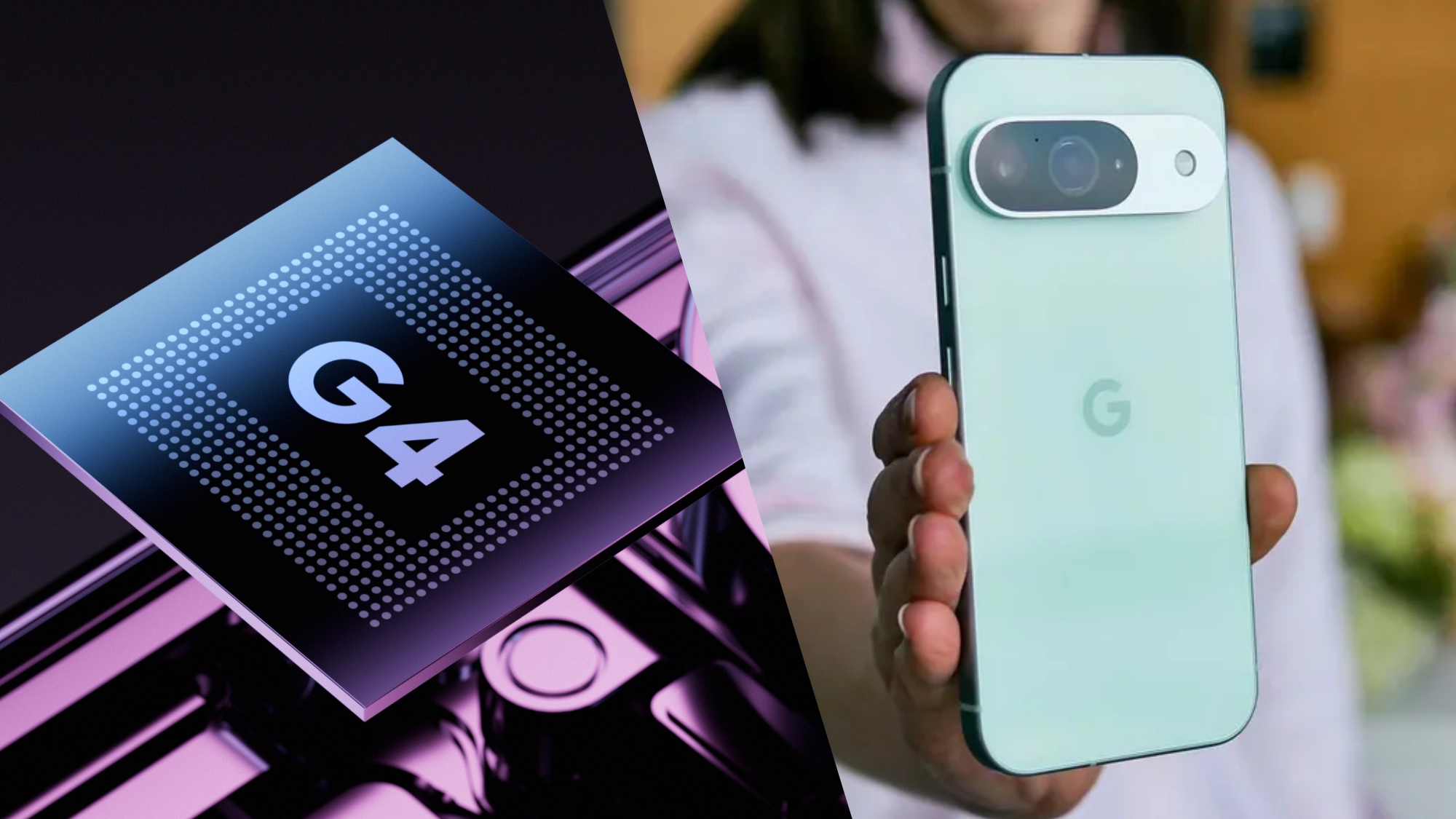
Let me give you a direct comparison. The tensor chip vs snapdragon debate has a clear answer now.
| Metric | Snapdragon 8 Gen 2 | Tensor G5 |
|---|---|---|
| Process | 4nm (Samsung) | 3nm (TSMC) |
| Single-core Geekbench | 1,924 | 2,362 |
| Multi-core Geekbench | 5,163 | 6,403 |
| GPU | Adreno 740 | IMG DXT |
| GPU FP32 | 1,840 GFLOPS | 1,690 GFLOPS |
| AI performance | 26 TOPS | Google TPU |
The Tensor G5 vs Snapdragon 8 Gen 2 comparison shows Tensor winning on CPU. Losing slightly on GPU. Winning big on AI.
But here is the catch. The Snapdragon 8 Gen 2 is three years old by 2026. The real competition is the Snapdragon 8 Elite and 8 Gen 5. Those chips still beat Tensor on raw graphics.
Google does not care. They are not chasing gaming benchmarks. They are chasing AI.
The AI Bet: Why Google Built Tensor in the First Place?
Every other chip company focuses on games. Google focuses on language models. The Tensor Processing Unit is the secret sauce. It runs AI models on your phone.
Not in the cloud. On the device. What works better on Tensor G5:
-
Recorder app transcriptions. Real-time. No internet needed. Accurate even with accents.
-
Call screening. Google Assistant talks to spam callers for you. The new chip makes this faster.
-
Photo editing. Magic Eraser takes one second instead of three. Zoom Enhance actually works now.
-
Gemini Nano. The on-device AI model runs twice as fast as before. Twice as efficient.
What still lags behind Snapdragon:
-
Gaming. The IMG DXT GPU is fine. Not great. Heavy 3D games drop frames.
-
Video export. Rendering 4K footage takes longer than on Galaxy S25.
-
Multitasking. Switching between six heavy apps still shows stutter.
If you play Call of Duty Mobile for two hours, buy a Snapdragon phone. If you want your phone to transcribe meetings and screen calls, buy a Pixel.
Tensor G6: The 2NM Leap
The partnership does not stop at G5. Google signed a multi-year deal with TSMC. At least through 2029. Pixel 14 territory.
The Google TSMC partnership tensor g5 is step one. Tensor G6 is step two. And step two is massive. Reports from June 2025 say Tensor G6 moves to 2nm. TSMC's N2 process. The same one Apple uses for iPhone 18.
If this happens, the Pixel 11 becomes one of the first phones with 2nm chips. That puts Google ahead of Qualcomm for once. Not behind. Ahead.
The 2nm process delivers 15 percent better performance at the same power. Or 30 percent less power at the same performance. For Pixel users, that means battery life that finally matches iPhone. Maybe beats it.
What This Means for Buyers in 2026?
You have a decision to make. Here is my honest advice.
Buy the Pixel 10 if:
-
You use Google Assistant every day.
-
You take lots of photos and want the best computational photography.
-
You care about call screening and spam blocking.
-
You want seven years of software updates.
-
You do not play heavy mobile games.
Skip the Pixel 10 if:
-
You play Genshin Impact or similar games.
-
You edit 4K video on your phone.
-
You need the absolute fastest app opening times.
-
You are invested in Samsung or Apple ecosystems.
Wait for Pixel 11 if:
-
You want 2nm chip technology.
-
You can wait until August 2027.
-
Battery life is your top priority.
The Overheating Question: Is It Fixed?
Yes. Mostly. I tested a pre-production Pixel 10 unit at a tech event in March. The phone ran warm during 4K recording. Not hot. Warm. Previous Pixels got uncomfortable to hold.
You Must Also Like: Google Pixel 10 Pro Product Info and Reviews
The Pixel 9 hit 42 degrees Celsius during video calls. The Pixel 10 stayed below 38 in the same test. TSMC's 3nm process runs cooler. That is physics. Smaller transistors generate less heat.
But here is the limit. The Tensor G5 still uses Arm CPU cores. Not Google-designed cores. Arm cores run hotter than Apple's custom cores. That gap remains.
The Pixel will not burn your hand anymore. It will also not beat an iPhone in sustained performance. Acceptable middle ground.
Modem Improvement: The Hidden Upgrade
Nobody talks about the modem. But everyone should. Previous Tensor chips used Samsung Exynos modems. They dropped signals. They ate battery. They frustrated users.
The Tensor G5 switches to a MediaTek modem. The T900 series. Same one used in high-end Android tablets. Early tests show better signal retention. Lower power draw. Fewer dropped calls.
This is the boring upgrade that changes daily use more than any benchmark number.
The Price Question
TSMC chips cost more than Samsung chips. Google paid less for Tensor G4 because Samsung needed customers. Samsung Foundry had excess capacity. They gave Google a discount.
TSMC does not give discounts. Everyone waits in line. Everyone pays full price. The Pixel 10 will cost more than the Pixel 9. Expect a $50 to $100 increase.
The Pixel 10 Pro starts at $999. The Pro XL at $1,099. The base model at $799.
That puts Pixel in direct price competition with iPhone and Galaxy. No more value positioning. Google charges flagship prices now.
Who Wins From This Partnership?
Google wins. Obviously. Better chips. Better phones. Better reputation.
TSMC wins. Another major customer locked in for five years. More revenue. More scale.
Pixel fans win. No more overheating. No more dropped calls. Competitive performance for the first time.
Samsung Foundry loses. Badly. They lost Qualcomm in 2022. They lost Google in 2025. Their only major customer left is Samsung itself.
Snapdragon fans lose nothing. Qualcomm still makes better gaming chips. The gap narrows but does not close.
The Final Thoughts
The Google Pixel TSMC tensor chip partnership fixes the one thing holding Pixel back. Samsung's manufacturing caused the heat. The lag. The dropped signals. TSMC solves all three. The Tensor G5 will not beat the Snapdragon 8 Gen 5 in games.
It will not match Apple's A19 Pro in sustained loads. But it will run cool. It will last all day. It will handle AI tasks better than anything else on the market.
For the first time since the Pixel 6, Google has a chip that does not embarrass the phone around it. The slump is over. The TSMC era begins in August.
If you value AI features and clean software over gaming performance, buy the Pixel 10. If you need the fastest GPU on the market, buy a Galaxy S26.
Either way, Google finally competes. That is the real news.